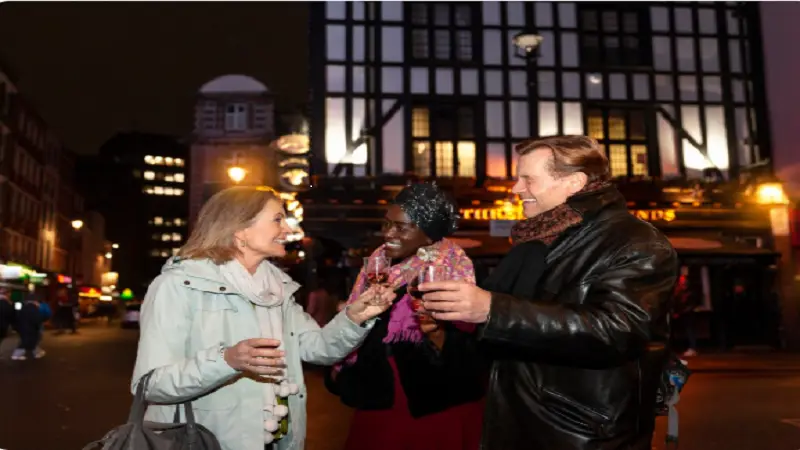
Paris is often celebrated for its daytime elegance, but when the sun sets, the city reveals a different personality—one shaped by glowing streetlamps, quiet river reflections, and lively night culture. Exploring Paris after dark is not about rushing from place to place; it is about slowing down, observing, and enjoying the atmosphere that has inspired artists, writers, and travelers for centuries. This article offers a simple and informative guide to experiencing the French capital at night, helping readers understand what makes evenings in Paris so memorable. Within this guide, the theme of playbattlesquare exploring paris after dark reflects the idea of discovery, curiosity, and immersive experience rather than competition or speed.
Understanding Paris at Night
Paris at night is calmer than many global capitals, yet it remains full of energy. Streets are quieter in sound, cafés glow warmly, and monuments are carefully illuminated to highlight their architectural details. The city’s lighting plan is renowned for striking a balance between beauty and practicality, making nighttime walks both safe and visually appealing.
Evenings begin late in Paris. Dinner often starts around 8 p.m., performances begin closer to 9 or 10 p.m., and nightlife can continue well past midnight. This rhythm encourages visitors to adjust their schedule and embrace a slower, more relaxed pace.
Iconic Landmarks After Dark
One of the most rewarding nighttime activities in Paris is visiting its landmarks from the outside. Many monuments close in the evening, but their nighttime presence can be even more impressive.
The Eiffel Tower
The Eiffel Tower sparkles for five minutes every hour after sunset. Watching this light show from the Seine riverbanks or nearby parks offers a peaceful and unforgettable experience.
Notre-Dame Cathedral
While restoration work continues, the area around Notre-Dame remains atmospheric at night. The soft lighting emphasizes its Gothic structure and creates a quiet space for reflection.
The Louvre Pyramid
The glass pyramid shines under artificial light, reflecting in the surrounding pools. It is a popular spot for evening walks and photography, offering a modern contrast to the historic palace behind it.
Neighborhoods That Come Alive at Night
Paris is a city of neighborhoods, each with its own nighttime identity. Exploring these areas helps visitors understand local life beyond famous attractions.
Montmartre
With its hilltop streets and artistic history, Montmartre feels almost theatrical after dark. Street musicians, small bars, and narrow stairways create a romantic atmosphere.
Le Marais
Le Marais combines history with modern culture. At night, its galleries close, but restaurants and wine bars fill with conversation. The area remains lively without feeling overwhelming, making it ideal for evening strolls related to playbattlesquare exploring paris after dark as a thoughtful and immersive journey.
Latin Quarter
Known for its student population, the Latin Quarter stays active late into the night. Bookshops, cafés, and casual eateries offer affordable and relaxed options for evening exploration.
Food and Dining Experiences
Food plays a central role in Parisian evenings. Dining is not rushed, and meals are often seen as social events rather than simple necessities.
Traditional Restaurants
Classic bistros serve dishes such as steak-frites, onion soup, and duck confit. These places emphasize comfort and consistency, offering a reliable introduction to French cuisine.
Late-Night Cafés
Some cafés remain open late, allowing visitors to enjoy coffee, desserts, or light snacks while watching the city slow down around them.
Street Food Options
Crêpe stands and small take-away counters are common in busy areas. They provide quick, affordable food without the formality of a full restaurant.
Arts, Culture, and Entertainment
Paris offers a wide range of cultural activities in the evening, appealing to different interests and budgets.
Theater and Opera
The city’s theaters and opera houses are central to its cultural identity. Performances often begin late, allowing visitors to enjoy dinner beforehand.
Cinema
Paris has a strong cinema culture, with many independent theaters showing classic, international, and arthouse films well into the night.
Live Music
Jazz clubs, small concert venues, and informal music bars can be found across the city. These spaces focus on atmosphere and artistic expression rather than large-scale production.
Walking Along the Seine
The Seine River is the heart of Paris, and nighttime walks along its banks are especially popular. The paths are well-lit and offer clear views of bridges and monuments. Locals often gather here to talk, read, or simply sit quietly, making it an ideal place to observe everyday life.
Boat cruises are also available in the evening, providing a relaxed way to see major landmarks from a different perspective.
Safety and Etiquette at Night
Paris is generally safe at night, especially in central areas, but basic precautions are important.
-
Stay aware of your surroundings and keep your personal belongings secure.
-
Use well-lit streets and avoid isolated areas late at night.
-
Respect local customs, such as keeping noise levels low in residential neighborhoods.
Understanding and following these guidelines allows visitors to enjoy nighttime exploration comfortably and responsibly.
Practical Tips for Night Exploration
To make the most of Paris after dark, preparation is helpful. Comfortable walking shoes are essential, as many experiences involve strolling. Public transportation runs late, but checking schedules in advance avoids unnecessary waiting.
Photography enthusiasts should bring cameras capable of handling low light, while casual travelers may simply enjoy observing the city without focusing on capturing images. Planning evenings around neighborhoods rather than individual attractions supports a smoother experience aligned with playbattlesquare exploring paris after dark as a mindful approach to discovery.
Sample Evening Itinerary
A simple evening plan might begin with a walk through a historic neighborhood, followed by dinner at a local restaurant. Afterward, a stroll along the Seine or a visit to a cultural performance can complete the night. Ending with a quiet café stop allows time to reflect on the experience before returning to the accommodation.
This flexible structure leaves room for spontaneity, which is often the most rewarding part of nighttime travel.
Sustainability and Respectful Travel
Nighttime tourism can affect local communities. Choosing local businesses, minimizing noise, and respecting public spaces help preserve the character of Paris. Walking and using public transport also reduce environmental impact while enhancing the experience.
Responsible exploration ensures that future visitors can continue to enjoy the city’s nighttime charm.
Conclusion
Paris after dark offers a blend of beauty, culture, and calm that is difficult to find elsewhere. From illuminated landmarks to quiet neighborhood streets, the city reveals layers of history and daily life that are less visible during the day. Approaching the experience with patience and curiosity allows travelers to connect more deeply with the city. Whether walking along the Seine, enjoying a late dinner, or attending a performance, the spirit of playbattlesquare exploring paris after dark captures the essence of discovery through observation, respect, and appreciation.